Where does tea come from?
Where does tea come from?
Where Does Tea Come From? 🍃
The Magical Journey of the Leaf That Changed the World
Picture this…
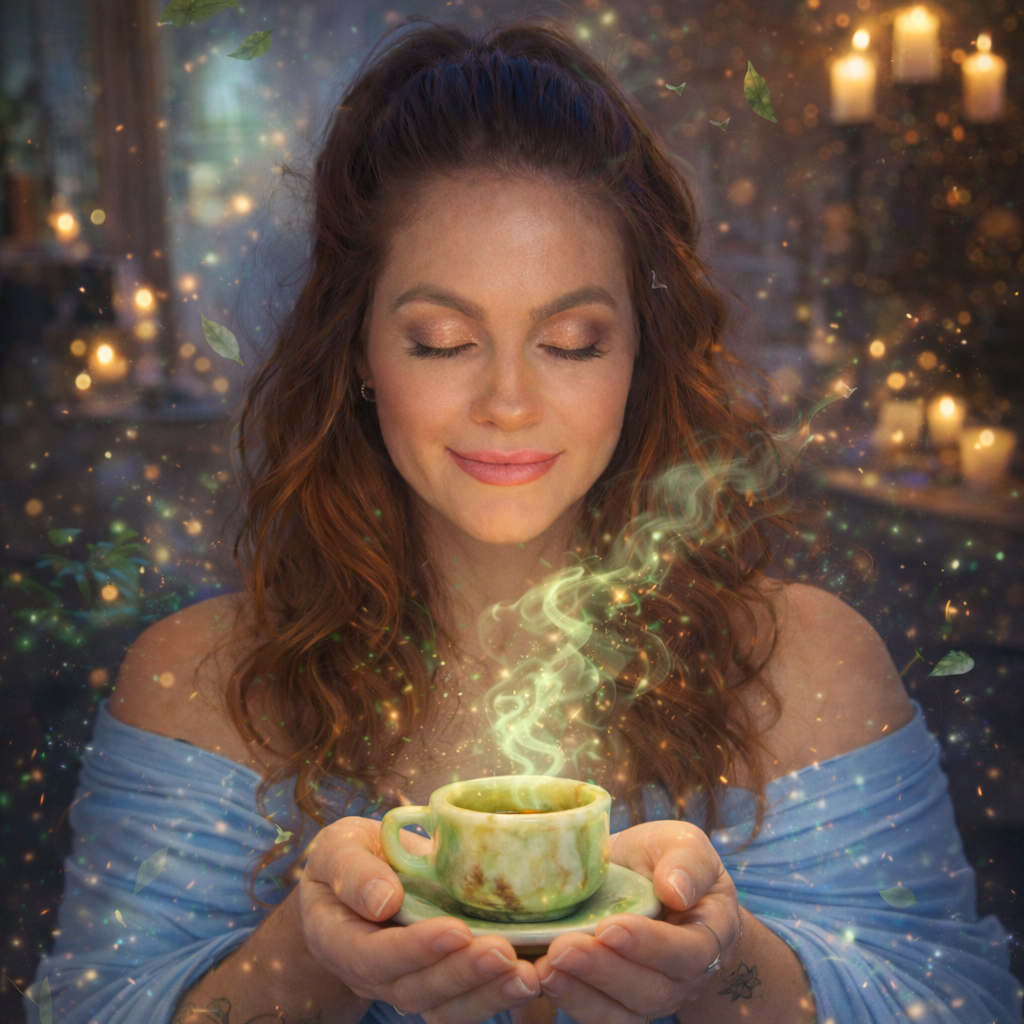
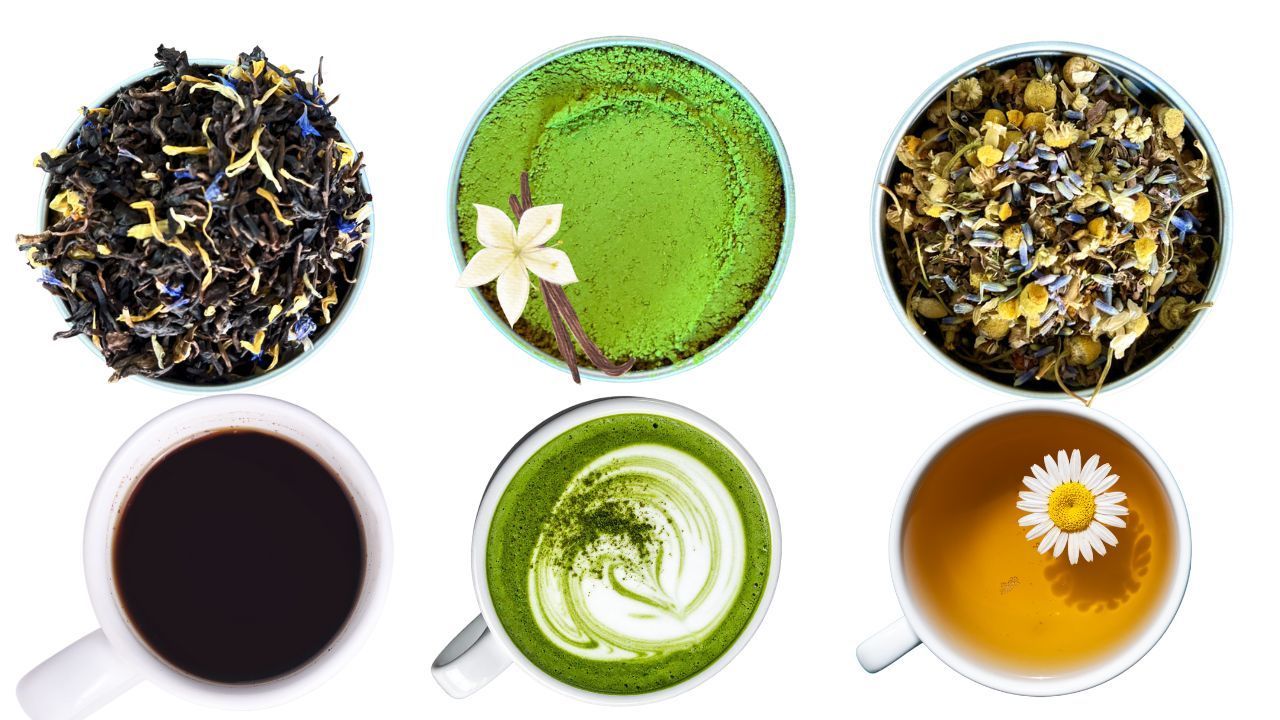
You’re holding a warm, fragrant cup of tea in your hands. Maybe it’s vibrant green matcha, bold black breakfast tea, calming chamomile (okay—not technically tea, but we’ll get there), or a luxurious oolong that tastes like toasted orchids kissed by the mountains.
But have you ever stopped mid-sip and wondered…
“Where does tea actually come from?”
Not the tea bag.
Not the grocery store shelf.
Not your cute tea tin.
We’re talking about the real origin story.
Spoiler alert: Tea’s story is ancient, global, slightly magical… and it all starts with one extraordinary plant.
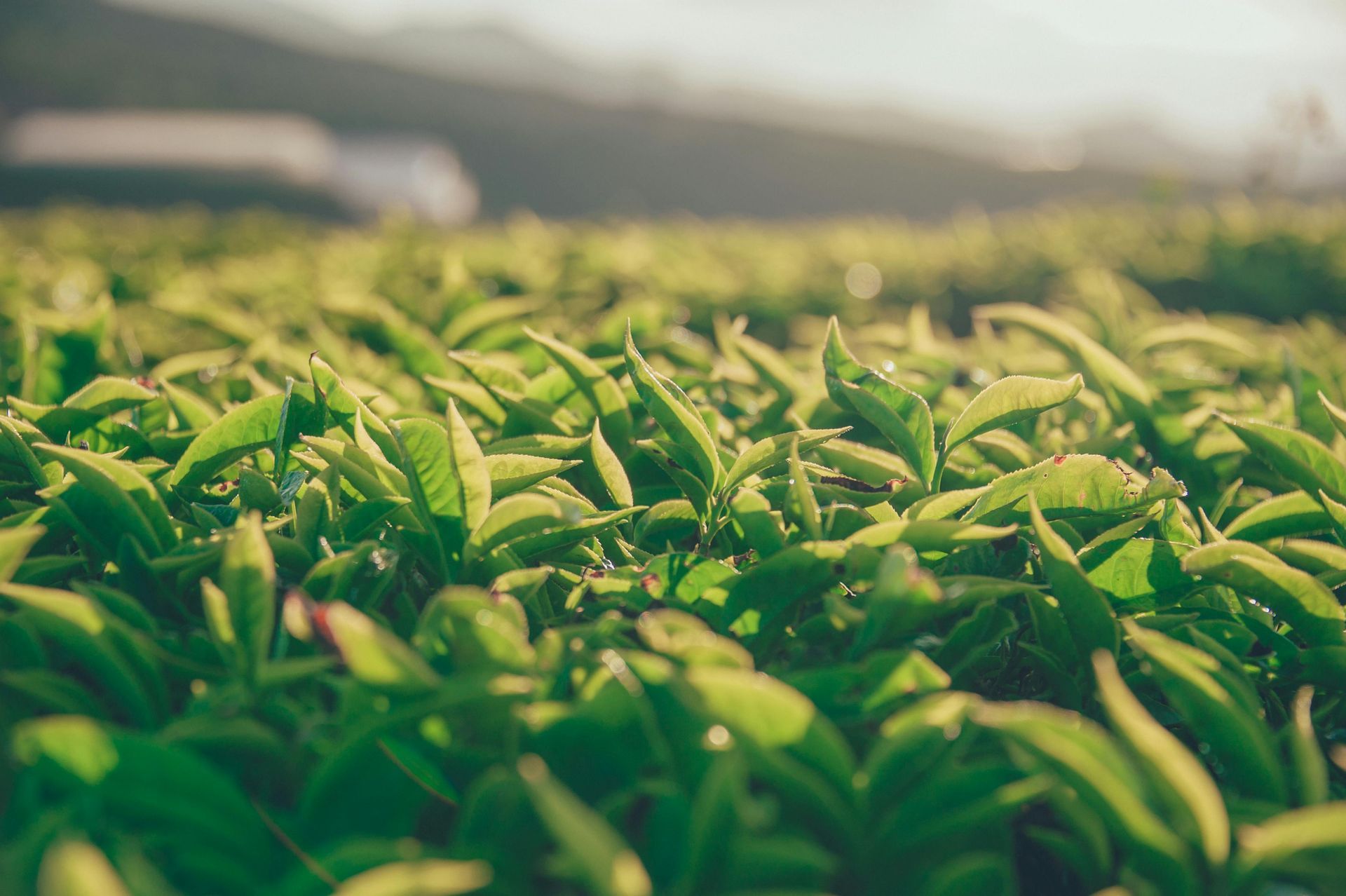
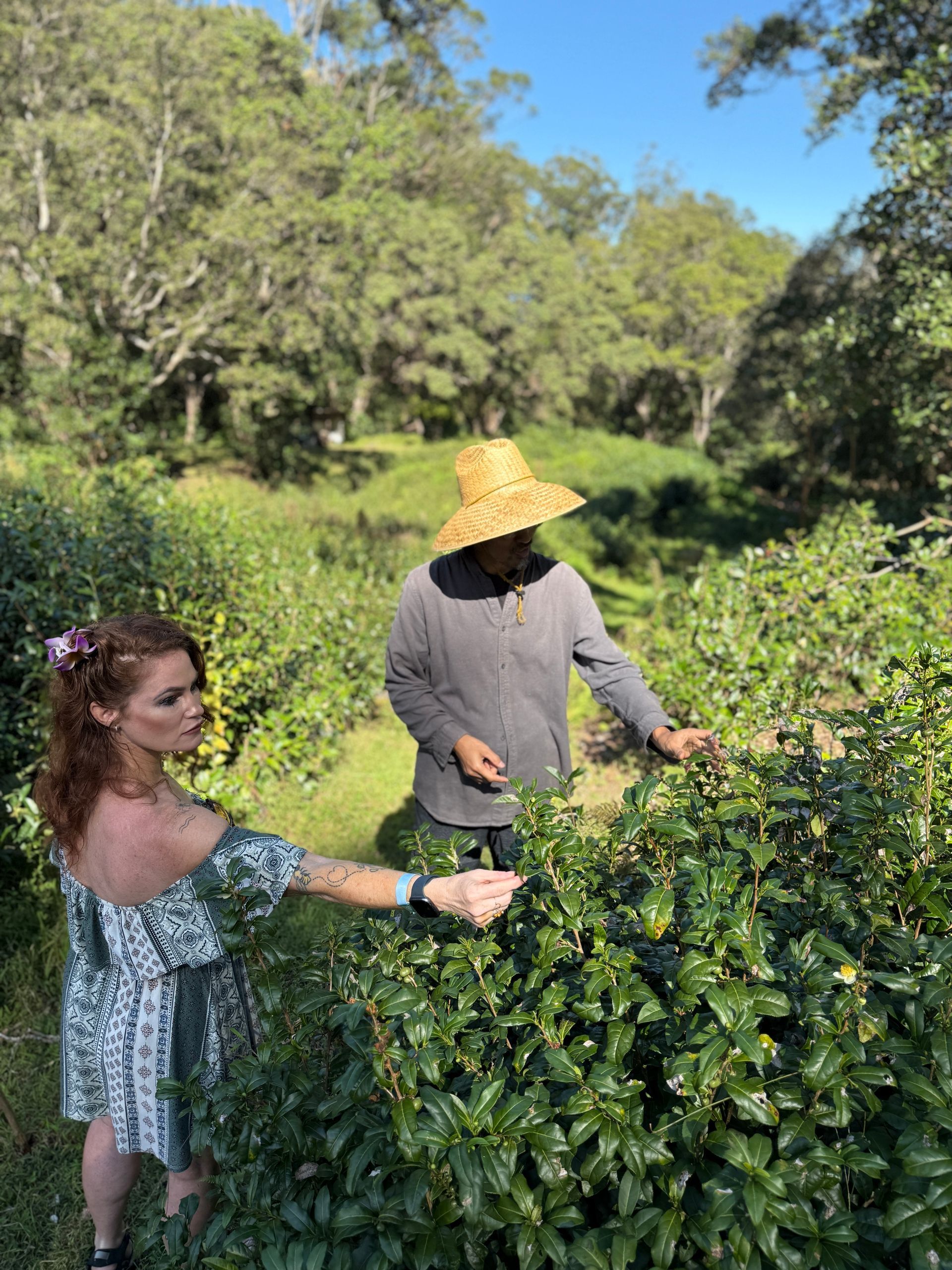
🌱 Tea Comes From a Plant Called Camellia sinensis
That’s right—whether you’re sipping green tea, black tea, white tea, oolong, pu-erh, or yellow tea…
They all come from the SAME plant:
Camellia sinensis
Mind blown yet?
This evergreen shrub or small tree is native primarily to regions of China, Japan, India, Myanmar, and parts of Southeast Asia. According to botanical and agricultural research, Camellia sinensis has been cultivated for thousands of years, with the earliest evidence of tea drinking tracing back to ancient China. Tea likely originated in southwest China, where wild tea trees still grow today.
👑 The Legendary Discovery of Tea
One of tea’s most famous origin stories dates back to 2737 BCE.
Legend says Chinese Emperor Shennong, a skilled herbalist, was boiling water beneath a tree when a few leaves drifted into his pot.
He drank it…
…and tea was born.
Was that exact moment scientifically proven? Not quite.
But historical records confirm tea was first used in ancient China as both a medicinal beverage and spiritual ritual before becoming the global phenomenon we know today.
So yes… your daily cup has royal, herbalist, and accidental genius energy.
🍃 One Plant… So Many Teas?
Here’s where things get fascinating:
The difference between tea types is not usually the plant itself—
It’s
how the leaves are processed after harvest.
Think of tea like grapes and wine:
Same fruit… wildly different results.
Here’s the breakdown:
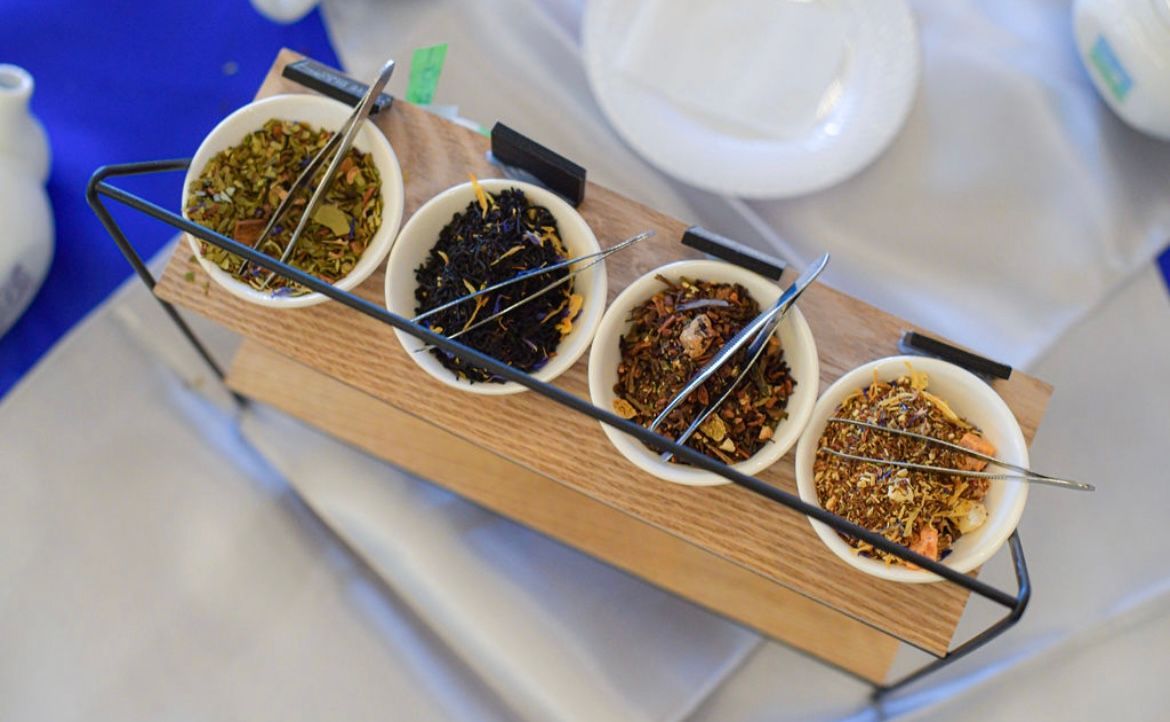
🌿 White Tea
Young leaves and buds, minimally processed. Delicate, subtle, and elegant.
🍵 Green Tea
Leaves are quickly heated to prevent oxidation, preserving their green color and fresh flavor.
🔥 Oolong Tea
Partially oxidized, living somewhere between green and black tea—complex and layered.
🖤 Black Tea
Fully oxidized for bold flavor, darker color, and stronger body.
🌍 Pu-erh Tea
Fermented and aged, often earthy and rich with deep cultural roots.
🌎 Tea’s Journey Around the World
Tea may have started in China, but it didn’t stay there.
Over centuries, tea traveled globally:
- Japan embraced tea through Zen Buddhism, transforming it into ceremonial art.
- India became one of the world’s largest tea producers, especially in Assam and Darjeeling.
- Sri Lanka (Ceylon) became famous for bright, brisk black teas.
- Africa, especially Kenya, became a powerhouse in black tea production.
- Taiwan refined exquisite high mountain oolongs.
Today, tea is the second most consumed beverage in the world after water.
Yes… your cup is part of a worldwide ritual.
🌿 Tea Terroir: Why Location Matters
Just like wine, tea’s flavor changes depending on where it’s grown.
Altitude, climate, soil, rainfall, and harvesting practices all shape taste.
Example:
- Japanese matcha = grassy, umami, vibrant
- Indian Assam = malty, bold, robust
- Chinese Dragon Well = chestnut, smooth, fresh
So when people say tea is an art…
They’re not exaggerating.
Tea is agriculture, chemistry, geography, history, and ritual in one cup.
🍵 But What About Herbal Tea?
Here’s the tea truth bomb:
Chamomile, peppermint, rooibos, hibiscus?
Technically… these are tisanes,
NOT
true tea.
If it doesn’t come from Camellia sinensis, it isn’t “true tea.”
Still delicious? Absolutely.
Still magical? Of course.
But botanically? Different category.
✨ From Leaf to Legacy
Tea is more than a drink.
It has fueled empires, sparked revolutions (hello, Boston Tea Party), inspired meditation, supported wellness practices, and created ceremonies that connect people across generations.
Every cup carries:
- Ancient wisdom
- Cultural tradition
- Botanical science
- Human craftsmanship
So the next time you steep your tea…
Remember:
You’re not just drinking leaves.
You’re sipping thousands of years of history.
🍃 Golden Nugget of the Day:
Tea doesn’t just come from the earth…
It comes from tradition, transformation, and one extraordinary leaf that changed the world.
📚 Quick Facts:
- Tea originated in ancient China over 4,000 years ago
- All true tea comes from Camellia sinensis
- China, India, Kenya, Japan and Sri Lanka are top tea producers today
- Tea is the world’s second most consumed beverage after water
☕ Final Sip:
Whether you love matcha, oolong, pu-erh, or black tea…
Tea’s origin story is proof that something as small as a leaf can transform the world.
And honestly?
That’s pretty steeped in magic.
Love Red